
What To Know About Car Tinting
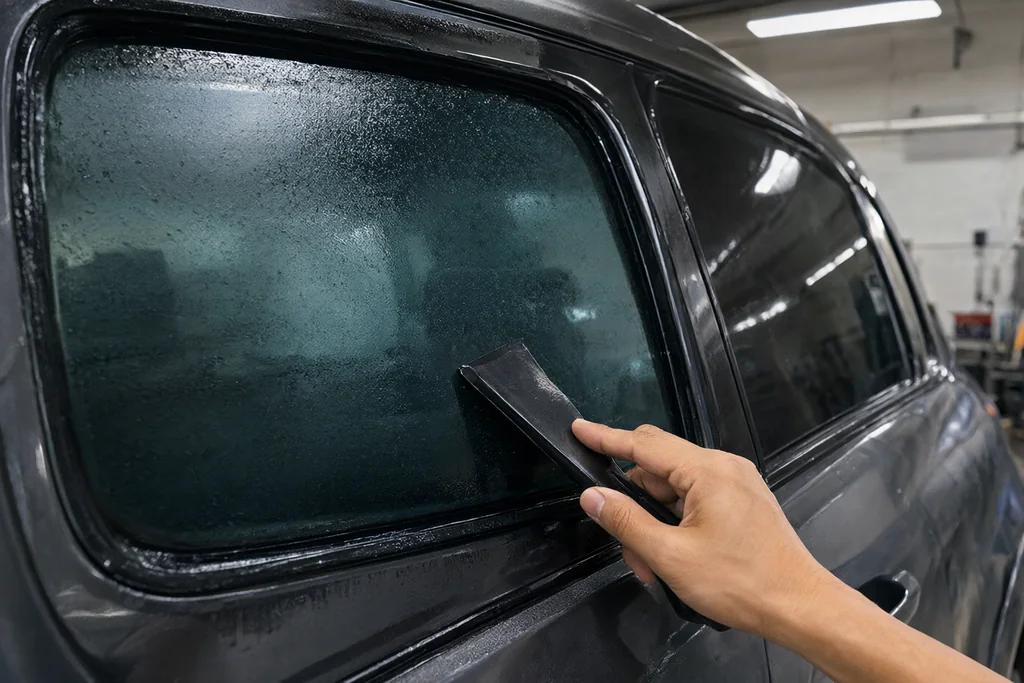
Window tint is one of the few car upgrades that changes comfort, privacy and protection at the same time. Before booking it, it helps to know what the film actually does, which benefits appear straight away and which ones only show up over a few summers of sun.
Protecting the cabin from the sun
The most direct job of tint is to keep the sun's harsh rays off the interior. Untreated glass lets through light and heat that fade fabric, crack dashboard plastics and discolour trim, damage that cannot be reversed once it sets in. A film that cuts the light reaching those surfaces slows the process rather than merely hiding it.
That matters most in a hot climate, where a car parked outside all day reaches temperatures that shorten the life of every material inside it.
A cooler cabin and fewer prying eyes
Tint reduces solar heat, and the effect is felt the moment the door opens on a parked car. Privacy is the other immediate gain: a darker glass makes it harder to see what is on the seats, which is useful for anyone who regularly leaves a bag or a laptop inside.
The privacy is not only about comfort. It also offers better protection against break-ins, because a thief who cannot see valuables is less likely to break a window to reach them. That is a deterrent rather than a guarantee, but it is a real one.
Hail, glass and child safety
- Faded, cracked or discoloured interiors are slowed by reduced sun exposure.
- Hail damage is limited, since the film holds glass together when it breaks.
- Broken glass is contained rather than scattered across the cabin.
- Children in the back, including a baby in a car seat, are shielded from direct sun.
The hail point is often overlooked. A hailstorm can damage windows and dent panels, and a tinted window tends to hold its shape instead of showering the interior with fragments.
Skin exposure on the driver's side
Recent studies have shown a correlation between driving and skin cancer, and the pattern is not evenly spread. According to the Skin Cancer Foundation, two million people are diagnosed with non-invasive melanoma each year, and 74 percent of those cases are found on the driver's side of the body. The explanation is simple: that arm and that side of the face receive years of sunlight through the same window.
Reducing exposure through the glass is therefore a protective measure as well as a comfort one. The benefits of window tinting are numerous, but the health argument is the one that is least visible and most worth knowing.
Choosing a film for your reason
The right film depends on why it is being fitted. Protecting a leather interior calls for heat and UV rejection, protecting a laptop calls for privacy, and a family wants glare control in the back. Clear films exist for owners who want the protection without the dark look, and local rules on how dark the front side windows may be vary, so check before booking.
| Benefit | What it protects | Visible immediately |
|---|---|---|
| UV and heat rejection | Dashboard, trim and upholstery | Cooler cabin, longer term protection |
| Privacy | Contents left inside the car | Yes |
| Break-in deterrence | Valuables and glass | Yes |
| Hail and shatter resistance | Occupants and interior | Only in the event |
| Reduced skin exposure | Driver's arm and face | Not visible at all |
Tint is therefore less of a cosmetic choice than it first appears. Fitted with a clear reason in mind, and within local limits on darkness, it protects the cabin, the contents and the people inside for as long as the film lasts.
Read next
Ferretti Yachts: Craftsmanship Redefined
What sets a Ferretti apart: hull design, joinery, materials and the yard tradition behind the name. That word is easy to print and harder to explain.
Myths Debunked About Airbnb Management Companies
Short-let management is a young industry built on a simple promise: you own the flat, someone else handles the guests. Both help, and neither is unlimited.
Basic Passenger Etiquette When Using a Chauffeur Service
Simple, practical manners that make a booked car journey smoother for everyone. What follows is practical rather than formal. The guide explains what to.