
4 Ways To Improve The Performance Of Armored Vehicles
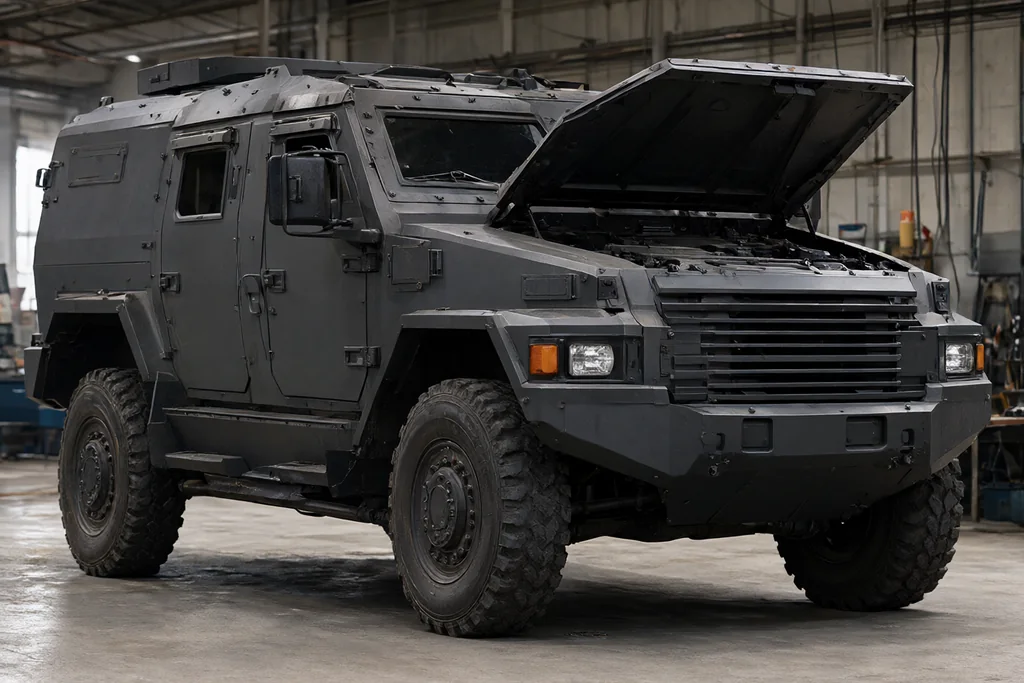
Armoured vehicle performance is never one upgrade away from finished. The gains that matter come from four directions at once: shedding weight, improving mobility, adopting active protection technology and reducing how easily the vehicle is detected.
Cutting weight without cutting protection
Lightweighting is a major trend in military vehicle development and it can lead to dramatic improvements in combat capability as well as real cost savings. The first step, however, is not choosing a material. It is determining whether a proposed change will actually increase the effectiveness of the vehicle. That evaluation asks whether a new lightweight material or design performs as claimed, and only then does it decide whether the change belongs in a production vehicle.
A lighter platform does more than save fuel. It allows faster force deployment and easier transport between theatres, so designers treat weight as a performance variable rather than a comfort issue.
Materials that reshaped land vehicle design
For the past half century many land-based vehicles have been constructed using aluminium alloys or titanium. A tracked combat vehicle or a heavily armoured platform built on lighter material can carry both performance and protection advantages over a naturally lighter support vehicle. Saving weight is only useful when the structure keeps its protective job.
Detection, protection and decontamination
The performance of an armoured vehicle is largely based on how well it avoids detection, and the detection problem is usually split into three stages:
- Avoiding detection in the first place, starting with reducing the probability of detection by radar
- Protecting the crew and the structure once a threat has been identified
- Decontaminating the vehicle so it can return to service after exposure
Sanitising ability belongs to that third stage and is easy to neglect because it produces no visible armour. A vehicle that cannot be cleaned and returned to the line is lost even when its hull survived.
Why procurement lags behind the threat
During a protracted acquisition process the requirements of an armoured vehicle are frequently updated to improve performance, and agents usually add those requirements in stages, from initial design through to production and delivery. Defence contractors, meanwhile, are hesitant to replace existing materials with new ones, which can lead to unforeseen material deficiencies. The result is a familiar pattern: many armoured vehicles are obsolete before they have been introduced into service.
Four priorities compared
The table below sets the four improvement areas against what each one buys and what it costs in design terms.
| Priority | What it improves | Main trade-off |
|---|---|---|
| Reducing weight | Deployment speed, transport and cost | Protection must be proven again |
| Increasing mobility | Ability to move and reposition | Adds demand on the drivetrain |
| Active protection | Survivability against incoming threats | New systems and new training |
| Reducing detection | Avoids engagement altogether | Shapes the hull from the first sketch |
None of these four steps works alone. A light hull with no protection is a faster target, and a heavily protected vehicle that cannot be transported is a static one. The practical approach is to treat weight, mobility, protection and signature as a single system, evaluate each change against the effectiveness question before committing to production, and keep improving the design rather than freezing it at delivery.
Read next
Ferretti Yachts: Craftsmanship Redefined
What sets a Ferretti apart: hull design, joinery, materials and the yard tradition behind the name. That word is easy to print and harder to explain.
Myths Debunked About Airbnb Management Companies
Short-let management is a young industry built on a simple promise: you own the flat, someone else handles the guests. Both help, and neither is unlimited.
Basic Passenger Etiquette When Using a Chauffeur Service
Simple, practical manners that make a booked car journey smoother for everyone. What follows is practical rather than formal. The guide explains what to.