
10 Unique Birthday Cake Ideas
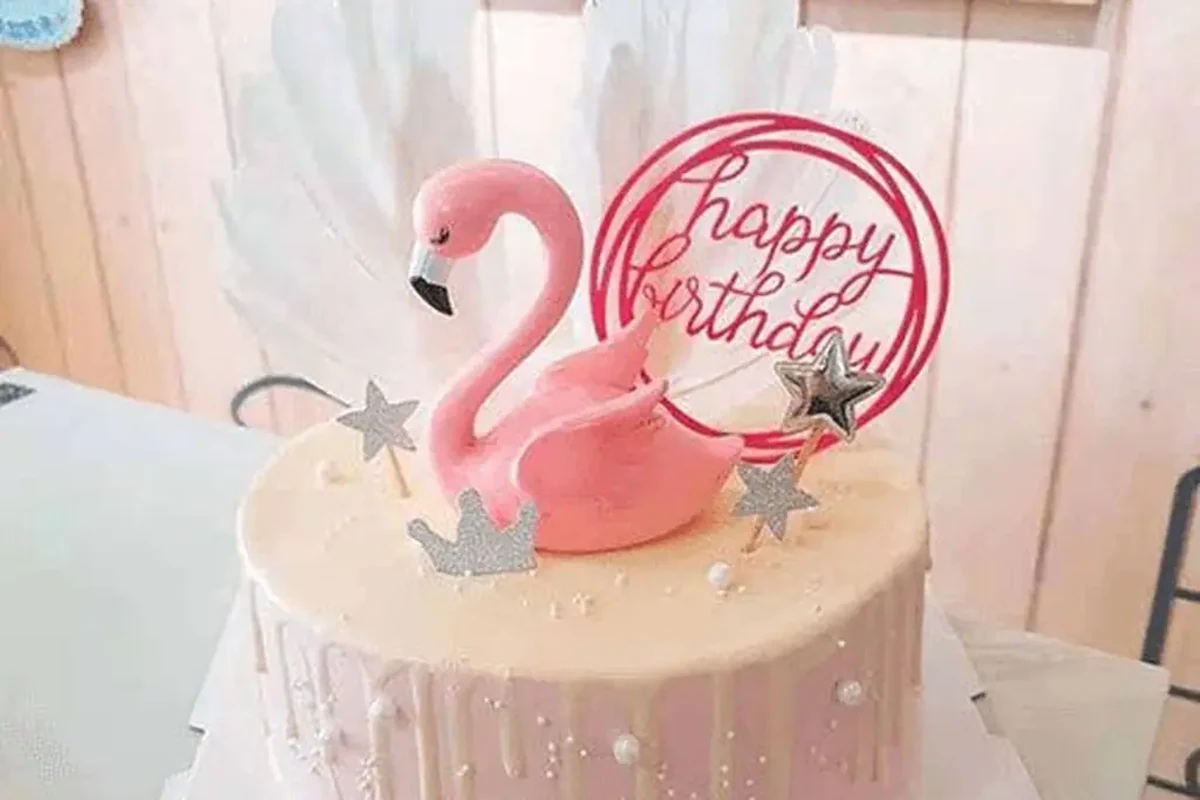
A birthday cake is a small engineering project disguised as a dessert. It has to survive transport, hold its shape at room temperature, taste good to a table of mixed preferences and still look like the idea in your head. The ten directions below are less about decorating tricks than about choosing a structure that fits the occasion, so that the interesting part is the cake rather than the repair work.
Start with the format, not the decoration
Before flavour, decide the shape of the problem. A single tall layer cake is dramatic but difficult to cut for thirty people; a traybake is unfashionable and utterly reliable. Number and letter cakes work well for children and photograph badly in low light. Drip cakes hide imperfect edges; naked cakes expose them.
The question to ask is who is eating and where. A garden party, an office desk and a restaurant table each impose different limits on size, stability and refrigeration.
Ten directions worth trying
These are deliberately different in style, so that at least a few will suit whatever the party looks like. None of them requires professional equipment.
- A layered cake with a flavoured filling — lemon curd, salted caramel or raspberry — where the surprise is inside.
- A single-tier cake with a mirror glaze, kept plain on the sides and dramatic on top.
- A naked or semi-naked sponge with fresh seasonal fruit, which looks deliberate even when it is not perfectly smooth.
- A cupcake tower instead of one cake: easier to portion and forgiving if some decorations fail.
- A cheesecake with a savoury-sweet crust, served cold and cut cleanly with a warm knife.
- A chocolate and coffee cake for adults, with a bitter note that cuts the sugar.
- A children's cake shaped as a simple object — a book, a ball, a favourite animal's face — built from a carved traybake.
- A dessert-table cake: a plain centrepiece surrounded by smaller tarts and fruit, so no single item must carry the event.
- A themed cake using fondant shapes rather than full coverage, which keeps the cake edible and the decoration replaceable.
- A "cake" of stacked pancakes or choux buns for anyone who genuinely does not like sponge.
Matching the cake to the party
Format, transport and timing decide more than colour schemes do. The table below is a quick way to choose without overthinking it.
| Occasion | Format that works | Main risk |
|---|---|---|
| Children's party at home | Carved traybake or cupcake tower | Melting icing and sticky hands |
| Office celebration | Small layer cake or traybake | Slicing time and no plates |
| Outdoor summer party | Cheesecake or fruit-topped sponge, chilled | Heat and cream |
| Restaurant dinner | Single elegant tier, plated | Storage before serving |
Flavour decisions that age well
Vanilla is popular for a reason: it works with almost every filling and every drink on the table. Chocolate is heavier and pairs better with fruit or coffee than with more chocolate. Citrus and berry flavours cut richness and taste fresher after a large meal. Alcohol is best used sparingly, as an accent in a syrup or filling rather than the main event.
Allergies are now a normal part of planning. Nuts, dairy, gluten and eggs each have workable substitutes, but substitutions change structure — an egg-free sponge is more fragile and a gluten-free one dries faster. Bake a test if the cake matters.
Common mistakes and how to avoid them
The failures that spoil birthday cakes are almost always structural rather than artistic. Cakes are moved before the crumb has set, tiers are stacked while still warm, and decorations are attached to a surface that is too soft to hold them. Buttercream that has been beaten in a warm kitchen will slide; a sponge that has not cooled completely will sweat under a fondant layer and slowly release it. None of these problems can be repaired after they happen, and all of them are avoided by waiting an extra hour.
Time planning is the second trap. Fondant needs a day to settle and dry, mirror glaze should be poured within minutes of being mixed, and fresh fruit should be added at the last possible moment before the party rather than the morning of it. If the cake has to travel by car, frost it cold, chill it again, and fit the decoration after arriving on site wherever that is practical.
A third habit worth adopting is to make a smaller test version of anything new. A six-inch cake costs little and reveals whether the flavour combination works, whether the icing cracks, and how long the whole process actually takes. Bakers who test once almost always bake a better cake for the guests, and they also discover which of the ten ideas above genuinely suits their own kitchen rather than only their mood board.
Transport, storage and the final hour
Chill a frosted cake before moving it, then let it stand briefly so the crumb relaxes. A non-slip mat under the board prevents sliding, and a box is better than cling film for anything with piped detail. Buttercream tolerates a few hours at room temperature; cream and fresh fruit do not.
Plan the cutting. Warm the knife, wipe it between slices, and cut the cake in concentric circles rather than wedges if the crowd is large. If in doubt, make the cake slightly plainer and the flavour slightly better — people remember what they tasted, and almost nobody remembers whether the edges were sharp.
Read next
Ferretti Yachts: Craftsmanship Redefined
What sets a Ferretti apart: hull design, joinery, materials and the yard tradition behind the name.
Myths Debunked About Airbnb Management Companies
Common assumptions about short-let management, and what those services actually cover.
Basic Passenger Etiquette When Using a Chauffeur Service
Simple, practical manners that make a booked car journey smoother for everyone.