
Top Interior Design Tips And Tricks
Good interior design is less about buying more and more about editing what is already there. A few principles, applied with some discipline, will make a room look considered and expensive without a full renovation.
Wallpaper as a fast update
Wallpaper is one of the quickest and cheapest ways to change a room. It adds depth and movement to a flat wall, and it can give a tired space a second life in a single weekend. The material once carried a reputation for being dated, but that has reversed: many homeowners now choose bolder, cheekier patterns precisely because they read as a deliberate choice rather than a default.
One wall is usually enough. Covering every surface in a strong pattern leaves nowhere for the eye to rest.
Texture across walls and floors
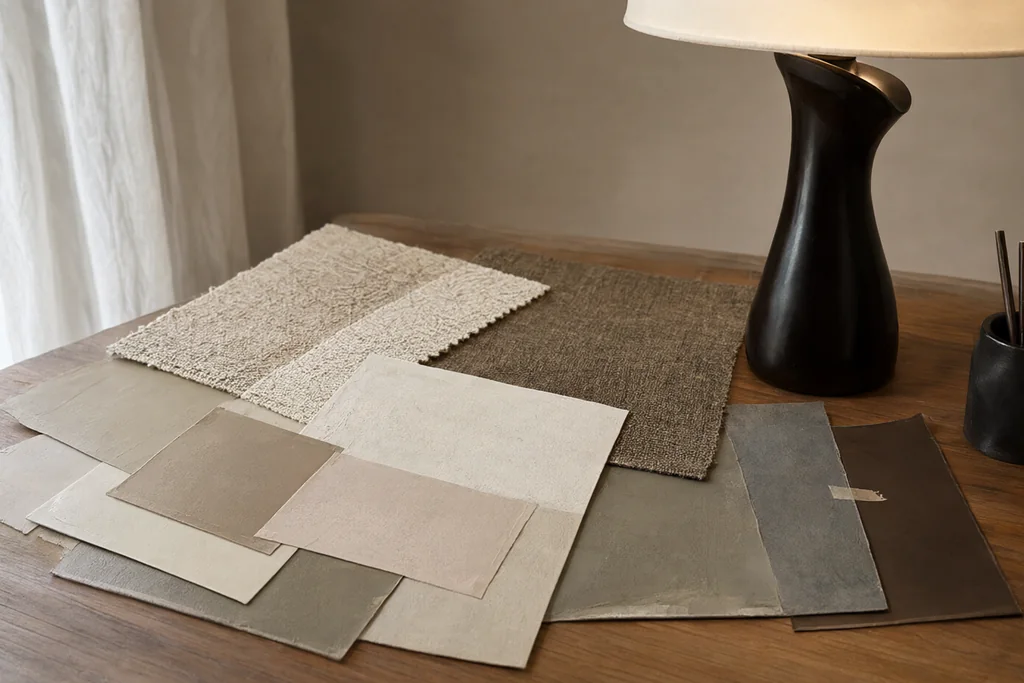
Texture adds visual interest and personality to a room without adding clutter. Applied consistently, it creates harmony and unity; applied in one place, it creates a focal point. The mistake is treating texture as a single decision about a rug. It runs through walls, floors, upholstery, window treatments and the small objects on a shelf.
Building a colour palette
Choosing a palette is both the most important and the most daunting part of decorating. The starting point is knowing the colours themselves: primary, secondary and tertiary, with neutrals doing the quiet work between them. A colour wheel is a practical check, because it shows at a glance which combinations sit comfortably together and which will fight.
A palette of two or three related tones, plus a neutral, is easier to live with than a room built around a single favourite colour.
Mistakes that flatten a room
- Focusing too hard on one aspect of the room, so everything else is an afterthought.
- Building the whole scheme around one colour, which leaves the space looking flat.
- Finishing everything in white and expecting the room to feel complete.
- Buying furniture before deciding the layout.
A room that looks unimaginative usually has one strong idea repeated everywhere and nothing to play against it. Mixing a period piece with a modern one, or a matte surface with a polished one, gives the eye somewhere to travel.
Comfort, clutter and the entryway
Keeping rooms simple and clutter free is the underlying rule. Comfortable seating and a few elements that show personality will do more for a space than another ornament. The entryway deserves particular attention because it sets the tone for the rest of the house: whether a guest is arriving for the first time or has been many times, the first few metres should feel warm and welcoming rather than like a corridor for shoes.
A light that is actually useful, a surface for keys and a place to sit are enough to make that happen.
| Element | What it adds | Where to use it |
|---|---|---|
| Wallpaper | Depth and movement | One feature wall |
| Texture | Visual interest and unity | Walls, floors and upholstery |
| Colour palette | Coherence across the room | Whole space, checked on a colour wheel |
| Statement seating | Comfort and personality | Living areas |
| Entryway styling | A welcoming first impression | Hallway and front door |
None of these ideas depends on a large budget. They depend on deciding what the room is for, choosing a palette and then resisting the urge to add one more thing. Restraint, applied well, is what makes a room feel designed.
Read next
Ferretti Yachts: Craftsmanship Redefined
What sets a Ferretti apart: hull design, joinery, materials and the yard tradition behind the name. That word is easy to print and harder to explain.
Myths Debunked About Airbnb Management Companies
Short-let management is a young industry built on a simple promise: you own the flat, someone else handles the guests. Both help, and neither is unlimited.
Basic Passenger Etiquette When Using a Chauffeur Service
Simple, practical manners that make a booked car journey smoother for everyone. What follows is practical rather than formal. The guide explains what to.