
The Padel Playbook: Advanced Strategies For Winning Matches
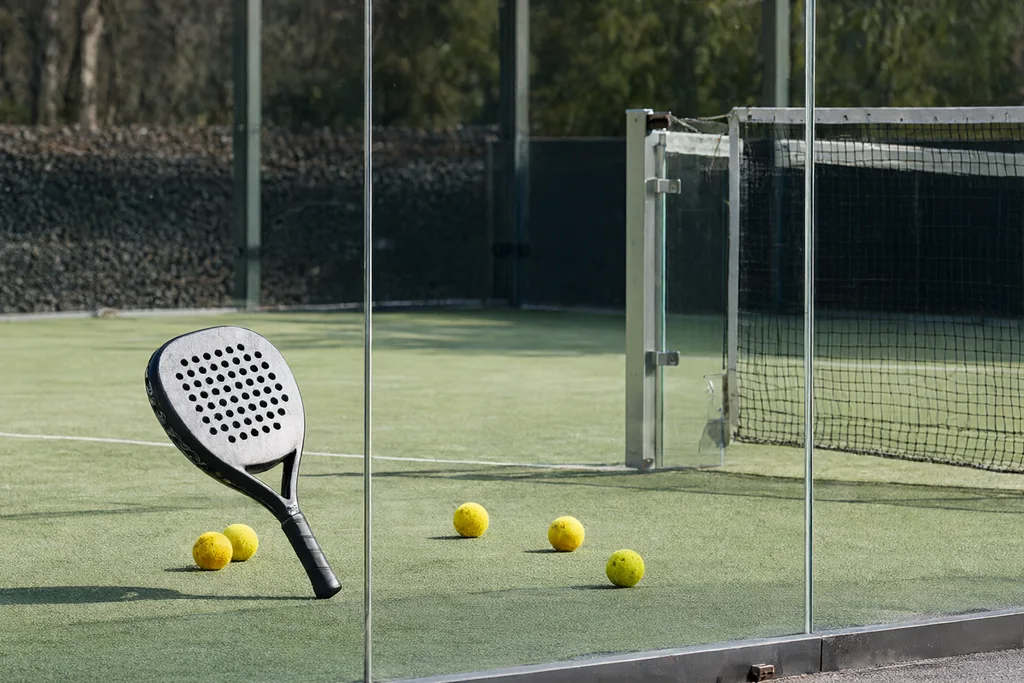
Padel borrows from tennis, squash and badminton and then adds walls, which makes it a faster and more tactical game than any of the three. Players who win consistently are rarely the hardest hitters; they are the ones who vary their shots, read the court and understand what the walls allow.
Shot variety keeps the opponent guessing
Beyond the forehand and backhand, a complete player practises the volley, the lob and the overhead smash. Each answers a different situation. The lob buys time and pushes opponents off the net, the volley takes time away from them, and the smash ends the point when the ball sits up. A player with only two shots is easy to plan against, because the opponent knows what is coming and where to stand.
Use the walls as a teammate
The walls are not an obstacle to work around; they are part of the court. A ball played into the back or side wall comes off at an angle that is genuinely difficult to return, but only if the shot is controlled and placed. Practising angled shots off the wall, and using the wall to set up a winner rather than as a defensive last resort, is where intermediate players separate from advanced ones.
The same knowledge works in defence. Reading the bounce early is what allows a player to step in and attack a ball instead of chasing it.
Play to your own strengths
- A powerful serve should be used often, to put pressure on the returner.
- A strong net player should move forward and finish points with volleys and overheads.
- A patient defender should accept longer rallies and wait for the error.
- A weaker shot should be protected by positioning rather than tested under pressure.
Every player has a different mix of strengths and weaknesses, and the tactical job is to arrange the point so that the strengths appear more often than the weaknesses do.
Serve and volley, with the risk understood
Serving and moving immediately to the net is a classic tennis tactic that transfers well to padel. It presses the opponent into a difficult pass and shortens the point. It is also risky. A return that gets past the server leaves the net open, so the tactic only works for players who are confident in their volleys and prepared to hit a variety of them, including low and awkward ones.
Doubles positioning and communication
Padel is almost always played in pairs, and two players moving as one cover more court than two players moving well individually. Agreeing who takes the middle ball, who calls the lob and how far forward each player commits prevents the collisions and hesitation that lose cheap points. Most lost rallies in club padel come from a gap that neither player claimed.
| Tactic | What it pressures | Risk level |
|---|---|---|
| Shot variety | Opponent's positioning and anticipation | Low, given practice |
| Wall play | Opponent's recovery after the bounce | Medium, needs control |
| Playing to strengths | Opponent's weaker side | Low |
| Serve and volley | Opponent's return under time pressure | High if the volley is unreliable |
| Coordinated doubles movement | The gaps between two players | Low, needs communication |
Improvement in padel comes from adding one tactic at a time until it is automatic. A player who can vary the shot, use the wall and move with a partner does not need to overpower anyone, because the points start arriving on their own.
Read next
Ferretti Yachts: Craftsmanship Redefined
What sets a Ferretti apart: hull design, joinery, materials and the yard tradition behind the name. That word is easy to print and harder to explain.
Myths Debunked About Airbnb Management Companies
Short-let management is a young industry built on a simple promise: you own the flat, someone else handles the guests. Both help, and neither is unlimited.
Basic Passenger Etiquette When Using a Chauffeur Service
Simple, practical manners that make a booked car journey smoother for everyone. What follows is practical rather than formal. The guide explains what to.