
The Journey You Can Set Off On With An Electrical Engineering Degree
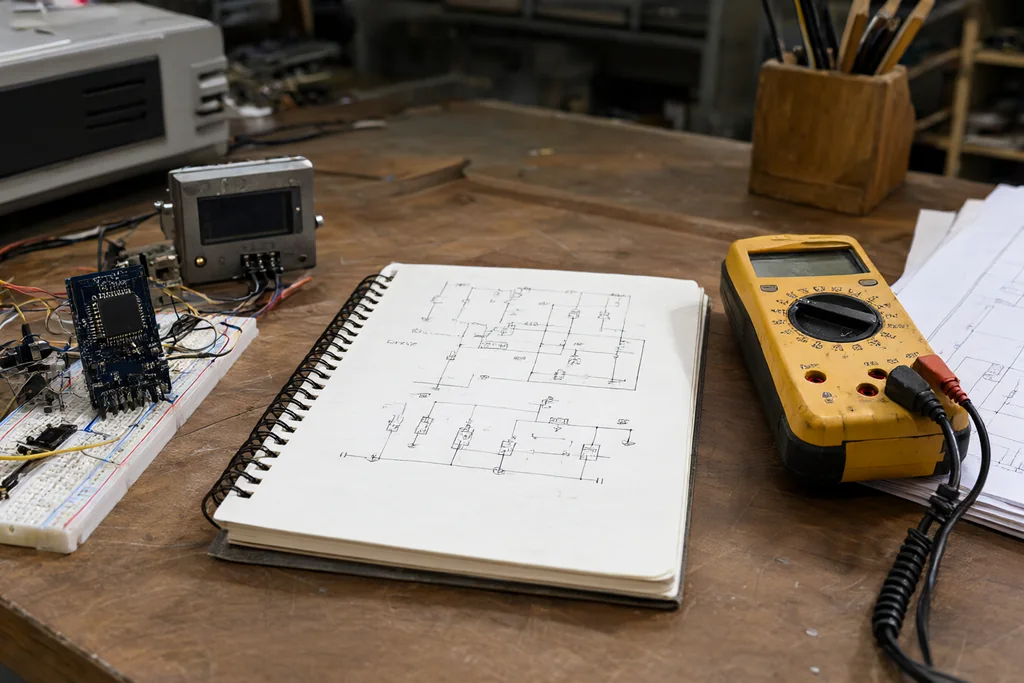
An electrical engineering degree opens onto a field where innovation, technology and practical power meet. The study itself is demanding, but the paths that follow it run through energy, communications, automation and clean technology, and each one is hiring.
Foundations: circuits, electromagnetism and control
Every route begins with the same grounding. Circuit theory, electromagnetism, digital systems and control theory are not hurdles to clear before the interesting work starts; they are the vocabulary in which the interesting work is written. A student who understands why a system behaves the way it does can move between industries later, which is exactly what a long career requires.
Power systems and the energy transition
Electrical engineering covers the design, analysis and optimisation of power systems. Graduates find themselves working on generation, transmission and distribution at a moment when the energy sector is being rebuilt around renewable sources. Integrating solar and wind, improving efficiency and keeping supply stable are engineering problems before they are political ones.
Electronics, communication and signal processing
The field also runs through semiconductor devices, communication networks, microelectronics, wireless communication and signal processing. These are the components behind the devices and systems that define modern life, and the work is continuous rather than occasional: each generation of hardware creates the demand for the next.
Automation, robotics and autonomous systems
- Designing systems that automate industrial processes.
- Improving efficiency and control in complex operations.
- Building robots, drones and autonomous vehicles.
- Connecting machines into smart, interconnected manufacturing environments.
Industry 4.0 has made this the fastest moving part of the discipline. The same skills reach into manufacturing and logistics, and also into healthcare, agriculture and exploration, where autonomous systems do work that is dangerous or simply too repetitive for people.
Clean energy and storage
Electrical engineers are central to the shift toward sustainable practice. Solar power, wind energy and other clean technologies all depend on people who can design, connect and maintain them, and the harder problem sits behind the generation itself: storing energy efficiently and integrating variable sources into a grid that was not built for them.
| Specialism | What engineers work on | Sectors it reaches |
|---|---|---|
| Power systems | Generation, transmission and distribution | Utilities and energy providers |
| Electronics and communications | Semiconductors, networks and signal processing | Device makers and telecoms |
| Automation and control | Process control and industrial efficiency | Manufacturing and logistics |
| Robotics and autonomy | Robots, drones and autonomous vehicles | Healthcare, agriculture and exploration |
| Renewable energy | Solar, wind and energy storage | Clean technology and grid operators |
The degree is best understood as a licence to keep learning. The specific tools will change, the standards will change, and the projects will change, but the analytical habit built during those years is what carries an engineer from one decade of technology to the next.
Read next
Ferretti Yachts: Craftsmanship Redefined
What sets a Ferretti apart: hull design, joinery, materials and the yard tradition behind the name. That word is easy to print and harder to explain.
Myths Debunked About Airbnb Management Companies
Short-let management is a young industry built on a simple promise: you own the flat, someone else handles the guests. Both help, and neither is unlimited.
Basic Passenger Etiquette When Using a Chauffeur Service
Simple, practical manners that make a booked car journey smoother for everyone. What follows is practical rather than formal. The guide explains what to.