
Streamlining Restaurant Food Procurement: Tips And Tricks
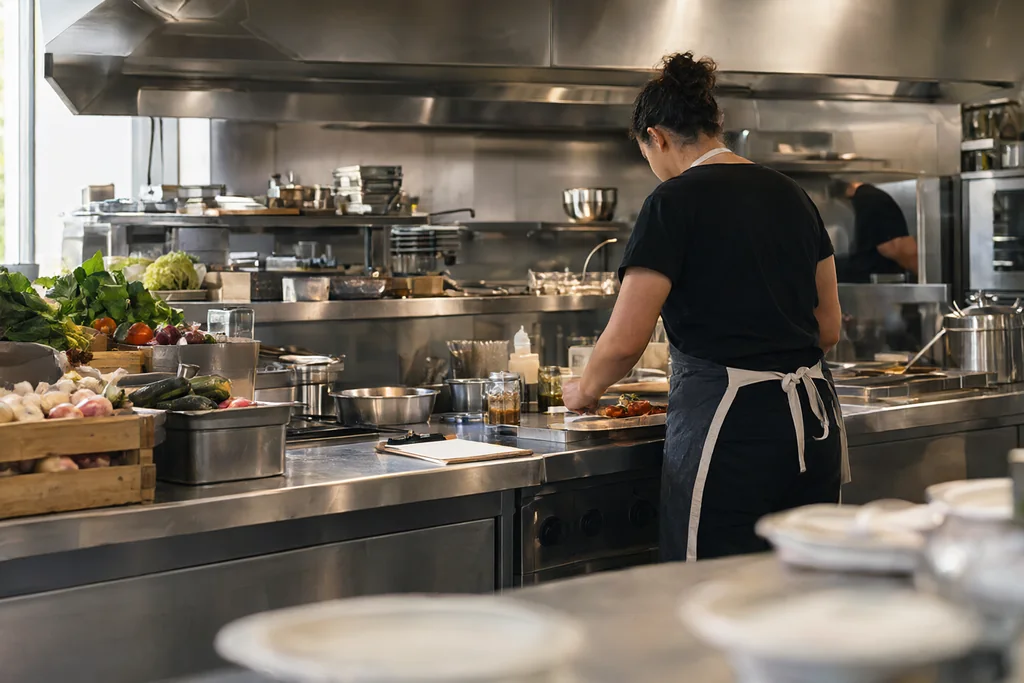
Food procurement decides whether a kitchen can cook what its menu promises, how much of that food is wasted, and how much of each sale survives as profit. A tighter process does not require new software so much as a few habits applied consistently.
Know your stock before you order
The first habit is a live picture of what is already in the kitchen: how much of each item is on hand, when it was bought and when it will expire. That record tells a buyer when to restock and, just as importantly, when not to. Overbuying is the quiet cause of most kitchen waste, because ingredients that expire in the store room were paid for twice, once at the supplier and once in the bin.
Local suppliers and seasonal ingredients
Buying from local suppliers is one route to fresh, high-quality ingredients at a reasonable price. The relationship is the real asset: a supplier who knows the kitchen will flag what is good that week, and will mention seasonal or regional ingredients that other sources simply do not carry.
That conversation is also where a kitchen learns about shortages before they appear on the order sheet, which is worth more than the discount a larger but more distant supplier might offer.
Order against the menu, not against the shelf
Knowing which dishes will be served in the coming days or weeks allows the kitchen to plan and order with enough lead time for delivery. Ordering against a forecast rather than against a feeling is the difference between a full service and a substitution at eight in the evening.
Standard recipe cards make that forecast usable. A card listing the required ingredients and clear preparation instructions means the same dish is costed and ordered the same way whoever is on the pass, and it keeps kitchen staff working from one version of the truth rather than several.
- Keep menu items, ingredients, suppliers and purchase orders in a single location.
- A physical binder or a digital sheet such as a spreadsheet both work, provided there is only one.
- Make sure everyone on the team knows where to find it and who updates it.
- Record deliveries against the order so short shipments are caught the same day.
Watch the food cost and the numbers behind it
A common target is to keep food costs at around 30 percent of overall sales, while remembering that the cheapest ingredient is not always the best value. A cheaper cut that guests leave on the plate costs more than a good one they finish.
Tracking food costs, inventory and sales, and reviewing that data regularly, shows where the money is going and which patterns push costs up. Weekly review beats an annual post mortem, because the correction can still be made while the menu is live.
| Practice | What it prevents | First step |
|---|---|---|
| Stock record with expiry dates | Overbuying and spoiled ingredients | Count the store room and write it down |
| Local supplier relationships | Missing seasonal or regional produce | Talk to two nearby suppliers |
| Menu forecasting | Shortages and emergency substitutions | Plan the coming week's dishes |
| Standard recipe cards | Inconsistent portions and ordering | Write one card per core dish |
| Regular data review | Cost creep nobody notices | Compare costs, stock and sales monthly |
Checking inventory regularly closes the loop. Once the count, the menu and the order sheet agree, procurement stops being a daily scramble and becomes a routine that protects both the margin and the reputation of the kitchen.
Read next
Ferretti Yachts: Craftsmanship Redefined
What sets a Ferretti apart: hull design, joinery, materials and the yard tradition behind the name. That word is easy to print and harder to explain.
Myths Debunked About Airbnb Management Companies
Short-let management is a young industry built on a simple promise: you own the flat, someone else handles the guests. Both help, and neither is unlimited.
Basic Passenger Etiquette When Using a Chauffeur Service
Simple, practical manners that make a booked car journey smoother for everyone. What follows is practical rather than formal. The guide explains what to.