
Why Shoulder-Season Travel Pays Off
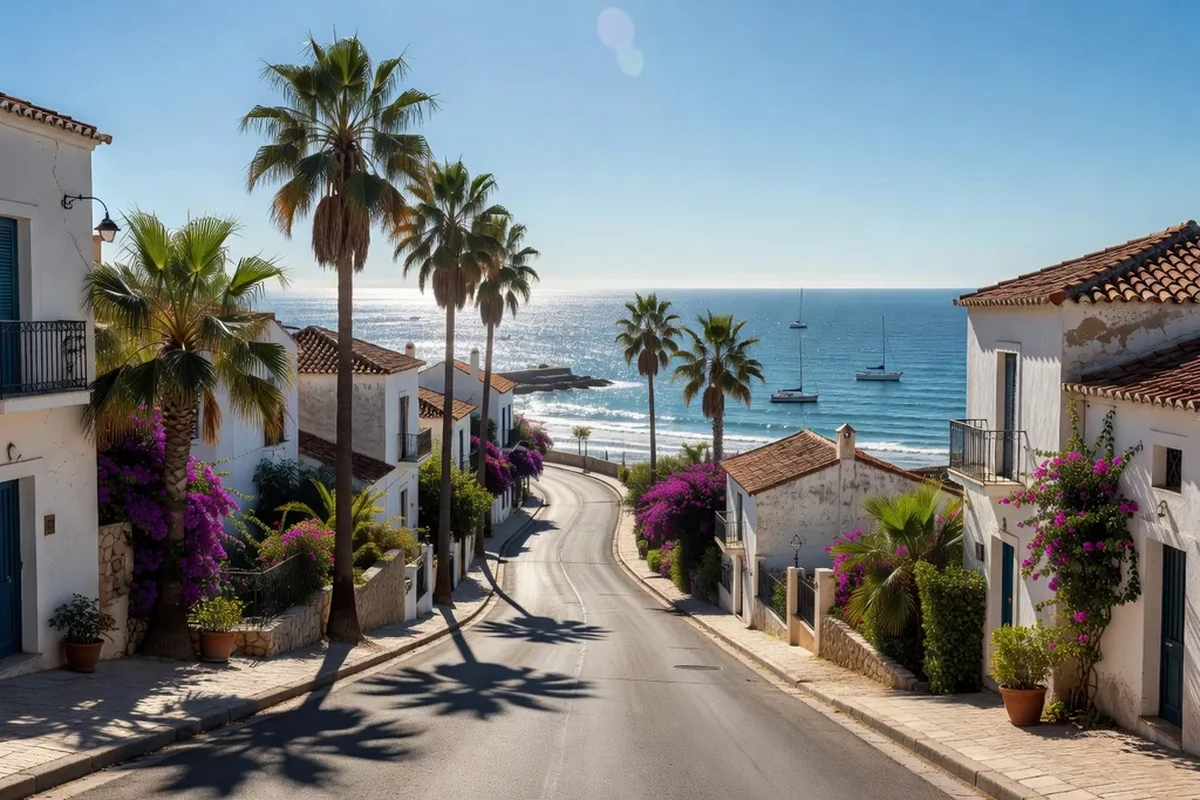
Peak season is expensive because everyone wants the same weather at the same time. Shoulder season — the weeks immediately before and after the busiest period — offers most of the same destination for noticeably less money, fewer queues and a more relaxed pace. The trade-offs are real, but they are narrower than most people assume, and they are usually worth accepting.
What changes when the crowds leave
Four things improve at once. Accommodation rates fall, and the same room becomes available at a different price rather than a different quality. Flights become easier to book and cheaper, particularly midweek. Restaurants, museums and attractions return to serving residents rather than managing queues. And the experience itself changes character: a place stops being a stage set and starts being somewhere people actually live.
The obverse is that some seasonal businesses close, some services run on reduced schedules, and the weather is less certain. Knowing which of these applies to a specific destination is the whole art of choosing the right weeks.
How to find the sweet spot
The shoulder period is not a fixed date; it follows the local calendar. Look at when school holidays end, when the main festival falls, and when the local holiday season begins and ends for residents. Prices usually move a week or two before the crowds do, which means the best value sits just outside the obvious boundaries.
A simple test is to price the same hotel for three consecutive weeks. The week where the rate drops but the facilities are still fully open is usually the target.
What to check before booking
Shoulder season requires more verification than a peak-season booking, because not everything is guaranteed to be running.
- Opening dates for the specific museums, restaurants and tours you care about.
- Whether ferries, cable cars or seasonal routes are still operating.
- Average temperatures and rainfall for the exact weeks rather than the month.
- Whether the hotel pool, spa or beach service is open and heated.
- Daylight hours, which shorten noticeably either side of summer.
Where shoulder season works best
Some destinations benefit far more than others from travelling outside peak. The table below is a rough guide to the trade-offs.
| Destination type | Shoulder benefit | Main risk |
|---|---|---|
| Mediterranean coast | Lower prices, comfortable heat, quiet beaches | Some beach clubs and ferries closed |
| Northern cities | Cheaper hotels, shorter queues | Short days and grey weather |
| Mountain regions | Quiet trails, cheaper rooms | Lifts closed, snow uncertain |
| Long-haul tropics | Fewer visitors, better rates | Rainy season peaks |
| Cultural capitals | Museums without crowds | Major exhibitions may be between runs |
Packing and planning for variability
Expect a wider range of weather and pack for layers rather than for a single climate. A waterproof shell, a warm mid layer and comfortable shoes cover more conditions than a suitcase of summer clothes. Check whether heating or air conditioning will be available, since some accommodation turns systems on only in the high season.
Book the essentials — accommodation and any fixed-date transport — and leave the rest flexible. Shoulder season rewards a looser itinerary, because the point is to take advantage of a place with room to breathe rather than to complete a list.
Making the most of a quieter destination
Shoulder season rewards a different approach to the day. Instead of pre-booking every meal and attraction, plan two anchors per day — one thing worth travelling for and one neighbourhood worth wandering — and leave the rest open. With fewer visitors, spontaneous decisions become genuinely possible, and the places locals use are open rather than full.
It is also the best time to take the walk, the viewpoint or the out-of-town trip that crowds make unpleasant in August. Check the transport schedule the evening before, since reduced services are the main practical difference, and build in a margin so that a cancelled bus does not end the day. In exchange for that small overhead, you get the same place with space in it — which, for most destinations, is the better version.
Who shoulder season suits
It suits anyone whose schedule is flexible, anyone who dislikes crowds, and anyone travelling with people who find heat or queues difficult. It suits photographers and walkers, and it particularly suits travellers who are happy to have dinner somewhere ordinary rather than somewhere famous.
It suits less well anyone whose trip depends on a specific seasonal activity — a particular festival, a ski week, a specific sea temperature. For those trips, peak season exists for a reason, and no amount of price advantage compensates for a closed lift or a cancelled crossing. For everything else, the two or three weeks on either side of the busiest period usually deliver most of the holiday at a fraction of the friction, the crowds and the cost.
Read next
How to Plan a City Break Without Overspending
Where city trips quietly get expensive, and how to plan around those points.
What to Pack for a Weekend Trip
A short packing method that fits a cabin bag and covers most two-night trips.
How to Choose Family-Friendly Accommodation
The practical questions about space, location and safety that matter most with children.