
CNC Plasma Cutting Machines: 7 Features
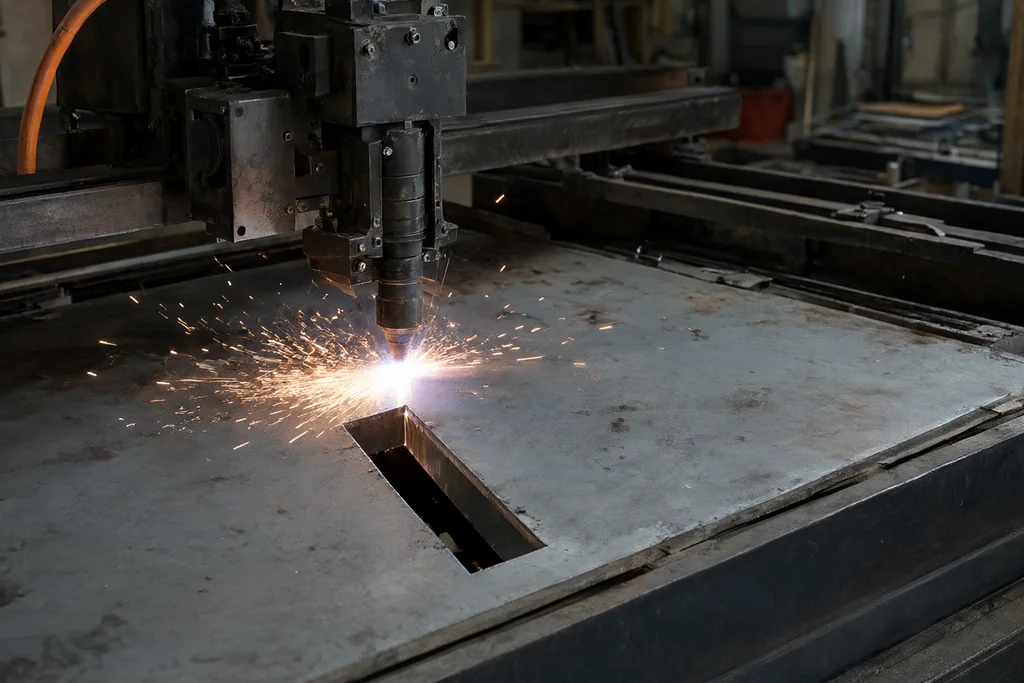
A CNC plasma cutting machine turns a sheet of metal into finished parts by steering an electric arc through it, and it does so with a repeatability that hand cutting cannot match. The seven features below are the ones that separate a machine built for production from one built for occasional jobs.
How the cut is actually made
These machines use a plasma torch to cut through material with a high velocity stream of ionised gas, created by heating and accelerating a gas, usually air, through an electric arc. Because the torch never touches the workpiece in the way a blade would, the process works on conductive metal rather than on soft materials, and the cut edge is produced by the arc itself.
The control side is what makes it CNC. A computer program drives the torch path, which allows precise and consistent cuts, and the same program can be written to cut various shapes and patterns or to cut multiple parts simultaneously from one sheet. That combination of a repeatable path and a fast process is why the technology is common in manufacturing and fabrication.
Speed and the range of materials
Plasma cutting is fast, which makes it suitable for high volume production environments. The speed at which a plasma cutter can cut is determined by the thickness of the material and the type of gas being used, so the same machine behaves differently on a thin sheet and on a thick plate.
The material range is the other half of the argument:
- Mild steel for general fabrication work
- Stainless steel where corrosion resistance matters
- Aluminium for light structures
- Brass and copper for electrical and specialist parts
That versatility makes the machines suitable across industries, including automotive and aerospace work where several metals appear in the same shop.
The controls that protect cut quality
Precision comes from the computer controlled nature of the machine, since the program can be set to cut with a high degree of accuracy and parts come out consistently within specification. Three support systems keep that accuracy from drifting during a long run.
Automatic torch height control maintains a consistent distance between the plasma torch and the material. A steady gap produces a clean precise cut and also extends the life of the torch, because the arc is not forced to bridge a changing distance. Advanced plasma arc control systems optimise the arc itself for the best cut quality, which matters most when edge finish and consistency are being judged. Automatic gas control systems optimise gas flow for cutting performance, improving speed and precision while extending torch life.
Seven features at a glance
| Feature | What it does | Where it shows |
|---|---|---|
| CNC program control | Drives shape, pattern and nested parts | Repeatable output |
| High cutting speed | Cuts quickly across a sheet | Volume production |
| Material range | Handles steel, aluminium, brass, copper | Mixed metal shops |
| Torch height control | Holds a constant standoff | Clean edge and torch life |
| Arc and gas control | Optimises arc quality and flow | Consistency on thick plate |
When these features are specified together, the machine stops being a cutter and becomes a production asset: the program holds the geometry, the height control holds the gap, and the gas and arc systems hold the quality across an entire shift.
Read next
AI Marketing Services: New Agency Offerings in 2026
Every few years the marketing industry acquires a new word and repackages its existing services around it. The table below sets out the usual shapes.
How to Choose a Branding Company for a Small Business
A small business usually approaches branding with a clear problem and a vague brief. Decide what you are actually buying Branding is not one deliverable.
How to Hire a Branding Company
Hiring a branding company is a procurement process with a creative outcome, and it goes wrong when one half of that sentence is ignored. Pay on time.